









Shingles vaccine may slow dementia and continuous glucose monitoring improves pregnancy outcomes. New studies show a shingles shot was linked to much lower dementia death rates, while real time glucose sensors reduced the number of overly large newborns from gestational diabetes. These findings matter now because they come from large new trials and record analyses, and they overlap with regulatory moves, product launches and industry news in the United States, Europe and Asia. In the short term hospitals and clinics face new clinical choices. Over the long term payers, device makers and vaccine producers could see changes in demand and coverage. Compared with prior analyses that hinted at dementia prevention, the latest results suggest possible therapeutic benefit for people already living with dementia.
Shingles vaccine and dementia outcomes
Evidence of a protective effect that extends beyond preventing shingles
Researchers analyzing health records from Wales found seniors with dementia who received Merck (NYSE:MRK) Zostavax were significantly less likely to die from dementia over nine years. Earlier work in Wales had linked the vaccine to a roughly 20 percent lower risk of developing dementia. The larger follow up now reports nearly a 30 percentage point reduction in death from dementia among vaccinated patients, a result that was replicated across datasets in England, Australia, New Zealand and Canada.
Those patterns raise questions about a biological mechanism. The benefit could come from reduced reactivation of the varicella zoster virus, from broad immune stimulation, or from effects we do not yet understand. Whether GlaxoSmithKline (NYSE:GSK) Shingrix, a more effective protein-based vaccine, would show the same or greater impact remains unknown. Zostavax use has waned because Shingrix demonstrated superior protection against shingles.
For health systems, the finding is timely. Dementia is a major driver of long term care costs in aging populations in Europe, the United States and many parts of Asia. If vaccines can slow progression, that could influence public health recommendations and insurer coverage. Regulators and clinicians will look for randomized trials or mechanistic studies to validate observational signals before changing guidance. Meanwhile manufacturers of vaccines and firms investing in adult immunization programs may find new lines of evidence to discuss with policymakers and payers.
Continuous glucose monitoring in pregnancy
Real time sensors reduce excessive fetal growth and related complications
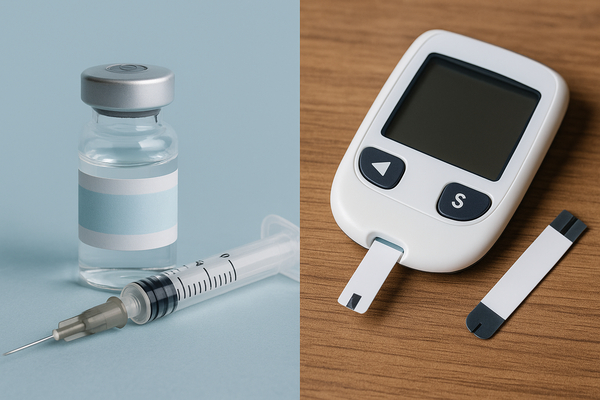
A randomized trial reported in The Lancet Diabetes & Endocrinology found that women with gestational diabetes who used a Dexcom (NASDAQ:DXCM) continuous glucose monitor had fewer newborns with above-average birth weight compared with women who used finger prick self-testing. The trial enrolled 375 women and found above-average birth weight in 4 percent of babies from the sensor group versus 10 percent in the finger-prick group. Mean birth weight percentiles were lower for the sensor group, indicating reduced excessive growth.
Continuous monitoring gives pregnant women and their clinicians real time trends. That allows more timely lifestyle adjustments and insulin tuning. In the short term the result could change obstetric practice and encourage insurers to rethink coverage for devices during pregnancy. Over time, better glycemic control in pregnancy could reduce childhood obesity risk and future metabolic disease, with implications for public health budgets in developed and emerging markets.
Industry developments and regulatory noise
Product launches, FDA scrutiny and corporate moves that could affect demand and investor perceptions
Several industry updates reinforce why the trial findings matter now. Novo Nordisk (NYSE:NVO) is preparing for an Ozempic launch in India in December. That product activity underscores global interest in metabolic medicines and devices that affect diabetes care. FDA scrutiny of wearable makers such as WHOOP presents a reminder that niche device firms face regulatory hurdles if they want broader clinical adoption and reimbursement. Axogen (NASDAQ:AXGN) received FDA approval for a nerve repair graft. Capricor (NASDAQ:CAPR) reported promising Duchenne cell therapy results that could lead to a U.S. filing. Philips (NYSE:PHG) shares dropped after an analyst flagged weaker growth prospects, highlighting sensitivity of medtech valuations to near term performance.
Regulatory debate is also in the headlines. U.S. vaccine advisory committees delayed a vote on removing a hepatitis B recommendation for children. Separately, a group of former U.S. FDA commissioners raised concerns about proposed vaccine policy changes and public statements about COVID-19 vaccine safety. Those governance and communications issues may affect public confidence in vaccine programs that now face new potential indications and research findings.
Market and health system implications
How payers, investors and clinicians might respond
In the immediate term hospitals, obstetric clinics and geriatrics units face questions about adopting new tools. Payers will weigh the cost of broader vaccine campaigns and routine use of continuous glucose monitoring in pregnancy against potential savings from fewer complications, shorter hospital stays and delayed functional decline. For device and vaccine makers, the evidence offers narrative fuel for market access discussions. Companies with strong adult immunization portfolios could reframe their growth strategies. Medtech firms supplying continuous glucose monitors may find an expanded market in prenatal care beyond the established diabetes population.
Investor attention will likely cluster on reimbursement pathways and regulatory signals. If insurers expand coverage for sensors in pregnancy, revenue forecasts for makers of continuous monitors could rise. If randomized trials confirm vaccine effects on dementia, demand for adult shingles vaccination could increase in the United States, Europe and middle income countries where aging populations are growing. However, regulators will seek robust evidence before changing formal recommendations.
These findings do not yet establish causation or replace clinical guidance. They do, however, add to a pattern of evidence that could alter prevention and treatment strategies for two major public health challenges. Stakeholders should watch for confirmatory trials, payer decisions and regulatory statements that will determine the size and timing of any market reaction.