









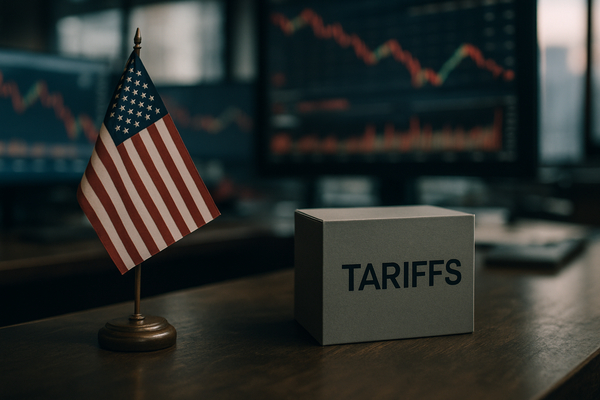
Trump’s April “Liberation Day” tariffs pushed the $30 trillion US bond market into revolt and the administration has since tailored policy and messaging to avoid another flareup. The truce matters now because markets are sensitive to trade signals, tax policy and corporate deals that can drive yields, equities and sector flow. In the short term traders watch tariff rhetoric and fiscal moves. In the long term investors weigh rate expectations, corporate capital allocation and structural consumer trends across the US, Europe, Asia and emerging markets.
Bond market reaction and policy restraint
The revolt in April showed how quickly bond investors can price in policy risk. The US Treasury market represents roughly $30 trillion of assets and it reacts to signals about tariffs, fiscal deficits and central bank positioning. After the April episode the administration shifted tone and targeted actions to reduce immediate market strain. That restraint matters now because bond yields set borrowing costs for governments and corporations.
Short-term volatility can come from new tariff announcements, fiscal headlines or fresh economic data. Meanwhile longer-term trends will follow inflation, growth and tax policy decisions that influence deficits and demand for Treasuries. European and Asian fixed income markets watch the US closely because spillovers can alter capital flows and currency valuations. Emerging markets tend to be most sensitive when US yields rise quickly because higher dollar rates can tighten external financing conditions.
Equities: futures, sectors and investor positioning
US stock futures moved lower after a recent rally in a holiday-shortened week. That pullback reflects how sensitive equities have become to macro signals that can reshape rate expectations. Investors recalibrated positions after the bond market uproar, rotating between growth-heavy sectors and more cyclical names depending on yield moves.
Semiconductor and tech capital allocation got a jolt from a major corporate run rate. Nvidia NASDAQ:NVDA took a $5 billion stake in Intel NASDAQ:INTC under a September agreement. That deal touched off fresh debate about consolidation, competitive dynamics and how chipmakers deploy cash. Equity reactions to such moves can be sector specific. For example, investors may reward companies seen as strengthening supply chains or penalize firms if deals raise antitrust scrutiny.
Consumer-facing names also face fresh scrutiny. The rise of GLP-1 related consumer treatments, plus apps tied to weight-loss and social platforms such as TikTok, are changing spending patterns. Consumer companies and health-related firms will be watched for margin and revenue impacts. That matters regionally because consumer adoption rates differ across the US, Europe and Asia.
Corporate moves that could sway markets
Deal activity and governance fights can alter sentiment. Lululemon founder launched a proxy fight for board changes and that news puts pressure on NASDAQ:LULU as shareholders decide on strategy and capital deployment. Active governance contests can change buyback plans, dividend policies or strategic focus. In addition, Amazon NASDAQ:AMZN paused its drone delivery plans in Italy which highlights how logistical experiments face regulatory and operational hurdles. The halt is a reminder that technological rollouts do not move in a straight line and companies may need to reallocate capital when pilots stall.
Automakers face geopolitical constraints as well. Reports that Hyundai KRX:005380 is not positioned to buy back a Russian factory underscore how corporate assets in contested markets require careful capital and legal assessment. Those situations influence investor assessments of international exposure and may affect shares in companies with substantial overseas footprints.
Macro policy forces: taxes, fiscal tailwinds and market implications
Tax changes that loom for 2026 have already entered market calculations. Analysts say the US economy could ride a tax cut tailwind in the near term but also face medium-term fiscal risks. Tax policy shifts alter after-tax corporate profits, consumer spending and the deficit path. Those channels feed into bond demand and equity valuations. Investors in Europe and Asia monitor US fiscal policy because any sizable swing can shift global savings and borrowing patterns.
In addition, headline risk from policy or geopolitical developments can trigger fast repositioning. The recent approach by the administration to tamp down market friction shows how messaging matters as much as policy mechanics. Clear communication reduced some immediate pressure on Treasuries, however markets remain vigilant because a return to aggressive tariff measures could reverse that calm quickly.
Market posture and what to watch next
Market participants should watch three clusters of indicators. First, policy signals and trade rhetoric. Any renewed talk of broad tariffs or sudden trade moves could lift yields and prompt equity repricing. Second, corporate capital allocation. Deals such as the NASDAQ:NVDA stake in NASDAQ:INTC and governance fights at NASDAQ:LULU can reallocate cash across sectors and change risk appetites. Third, macro and fiscal timelines. Tax changes for 2026 and fiscal statements will shape the medium-term supply and demand balance in bond markets.
Global perspectives matter. European fixed income and equity markets respond to US rate dynamics. Asian markets face local growth differentials plus external financing pressures when US yields spike. Emerging markets remain most exposed to abrupt capital flow reversals. Meanwhile pockets of the market driven by consumer trends and technology adoption will react to structural winners and losers in GLP-1 related products, app-based services and logistics experiments.
The recent death of Louis Gerstner, the former NYSE:IBM chief who helped revitalize that company, is a reminder that corporate leadership and strategic pivots can transform large firms. Governance and leadership choices will continue to shape investor expectations about which companies can adapt when policy and market conditions change.
Overall, the pact between the administration and bond investors is fragile. Policy language, fiscal developments and headline corporate moves will keep markets attentive. Short-term volatility will hinge on fresh tariff rhetoric and fiscal announcements. Longer-term pathways will depend on how tax policy, corporate capital deployment and consumption trends play out across regions.